
Inside Modern Acetylene Plants: Technology, Safety, and Advanced Gas Generation
Acetylene is one of the most powerful and versatile industrial gases, used extensively in metal cutting, welding, heat-treating, chemical synthesis, and laboratory applications. Producing it safely and efficiently requires precision engineering — and that’s where modern acetylene plants truly shine.
In this deep dive, we explore how advanced acetylene plants are designed, how they operate, and the safety systems that make them one of the most reliable gas-generation technologies in the world.
Built for Reliability: The Engineering Behind Acetylene Plants
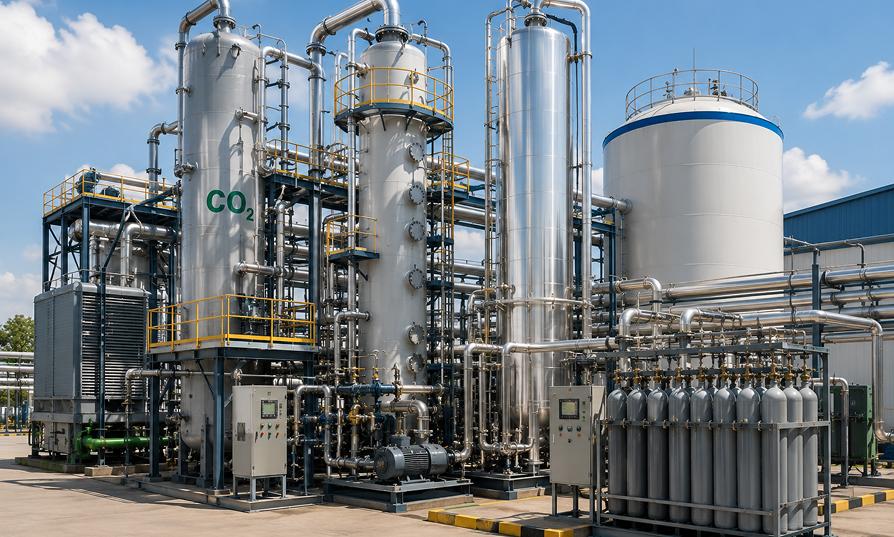
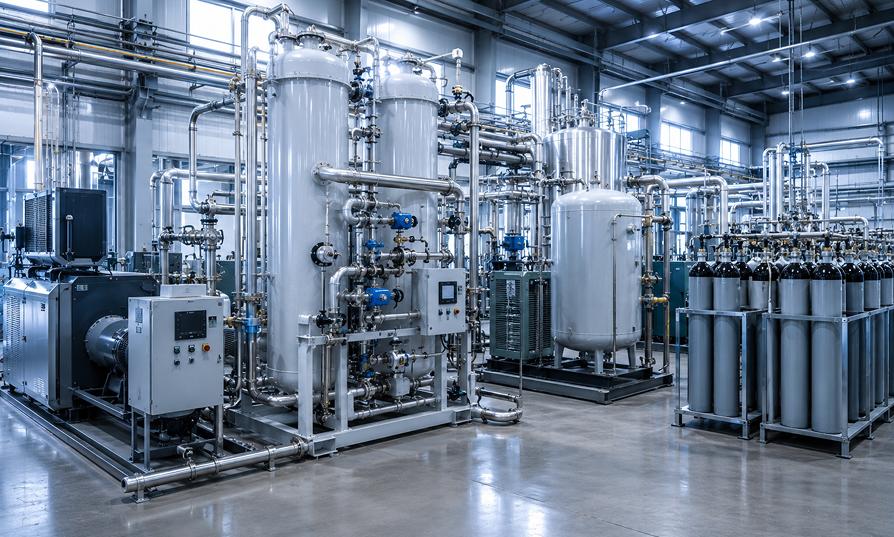
Every component of a Sanghi acetylene plant is engineered with meticulous care. Experienced engineers design each part, using only high-quality materials that undergo complete inspection before assembly.
Once assembled, each unit is continuously tested to ensure reliable performance. This means buyers receive a system designed for dependable, efficient, and safe operation — a necessity when dealing with a gas as energetic as acetylene.
These plants also come with clear operating guidelines, ensuring users can start and operate them safely, even if they are new to acetylene generation. For additional support, Sanghi provides supervision and expertise to ensure smooth commissioning.
Smarter, More Advanced Plant Design
Today’s acetylene plants incorporate features rarely found in conventional generators:
- Fully automatic operation
- Twin hopper design
- Minimal operator involvement (as little as 10 minutes per hour)
- Pneumatically controlled valves
- Temperature-sensitive sensor systems
- Built-in drainage and water-level management
The entire plant design keeps safety front and center, integrating components such as Flash Back Arrestors, High-Pressure Reverse Flow Check Valves, and complete instrumentation to protect equipment and personnel.
All electrical fittings comply with IS 2148-68 (Group II) or BTS-229 standards, and acetylene cylinders adhere to IS: 7312 (1974) or ICCB specifications.
How an Acetylene Plant Works: Step-By-Step
Acetylene production is a multi-stage process involving chemical reactions, cooling, purification, drying, compression, and safe cylinder filling. Here’s how each stage contributes to a clean, stable gas output.
1. Generator With Flash Back Arrestors
The generator is the heart of the plant, operating with a series of automated safety features:
Temperature Controller
Controls carbide charging by opening a water inlet valve when the generator temperature exceeds a set value.
High Pressure Controller
If pressure exceeds 0.5 kg/cm² due to compressor issues, carbide feeding stops automatically to prevent unsafe buildup.
Water Level Controller
If water rises too high, excess water drains automatically, keeping levels within safe limits.
Key Safety Advantages
- No separate gas holder required
- Always maintains positive pressure, preventing air ingress
- Sealed carbide charging prevents gas loss
All controls are automatic, requiring minimal operator intervention. Faults trigger an audible alarm for immediate correction.
2. Condenser
Hot acetylene gas carries moisture and impurities. The condenser cools the gas, condensing water vapor for removal. This ensures:
- Complete cooling
- Stable gas purity
- Prevention of moisture-related issues in downstream equipment
A sufficient and reliable water supply is crucial for optimal condenser performance.
3. Low Pressure Drier
The gas passes through a chemical drier filled with calcium chloride, which absorbs remaining moisture. Moisture must be minimized to allow downstream chemical purification to function properly. A bypass allows a portion of gas to enter the purifier directly when required.
4. Chemical Purifier
Two layers of regenerative chemicals remove impurities. When saturated, these chemicals can be regenerated by forcing air through the purifier. High-capacity plants (100 cu.m/hr) may use three chemical layers.
5. Ammonia Scrubber
Placed between the Chemical Purifier and the compressor, this stage removes ammonia from the gas stream.
6. Acetylene Compressor
A multi-stage, oil-lubricated, water-submerged compressor pushes acetylene into cylinders. Features include:
- Flameproof motor (15 HP for 100 cu.m/hr plants)
- Intercoolers
- Safety relief valves
- Ability to reach 18 kg/cm² filling pressure
Twin compressors may be used for large plants to ensure stable output pressure.
7. High Pressure Drier
Before cylinder filling, acetylene must be completely dry. The final drying stage uses:
- A metal filter
- Calcium chloride layers
- Stringent safety engineering
This prevents dangerous conditions such as explosions caused by moisture pockets in high-pressure lines.
8. Filling Manifold
A robust battery of filling points allows multiple cylinders to be filled simultaneously:
- 60 filling points (for 45 cu.m/hr plants)
- 120 filling points (for 100 cu.m/hr plants)
Flash Back Arrestors ensure safety during filling, and water sprays prevent cylinders from overheating.
9. Instrument Air Compressor
A flameproof-motor-driven air compressor powers the instrumentation that automates the various plant processes, ensuring:
- Smooth generator operation
- Proper valve function
- System reliability
Acetylene Plant Capacities & Specifications
Modern acetylene plants come in various sizes to meet industrial demand:
25 cu.m/hr Acetylene Plant
- Fills ~30 cylinders per batch
- 3–5 mm carbide size
- Hopper capacity: 75 kg
- Power requirement: 10 kW
- Start-up time: 15 minutes
45 cu.m/hr Acetylene Plant
- Fills ~60 cylinders per batch
- Hopper: 150 kg
- Power requirement: 18 kW
100 cu.m/hr Acetylene Plant
- Fills ~120 cylinders per batch
- Hopper: 300 kg
- Power requirement: 30 kW
Safety Standards & Installation Requirements
Acetylene plant installation must follow strict guidelines, including minimum distance requirements from public roads, buildings, and other industrial units.
Electrical systems must comply with:
- IS: 8471 (1977)
- IS: 2148 (Group II B) (1968)
Power supply requirements:
- 415V, 3-phase, 50 Hz
Why Acetylene Plant Design Matters
Acetylene is highly reactive, making proper design, engineering, and safety systems absolutely essential. A well-built plant ensures:
- Reliable gas purity
- Minimal maintenance
- Efficient carbide usage
- Maximum operator safety
- Low operating costs
With advanced automation, pneumatic controls, and rigorous safety features, today’s acetylene plants offer unmatched stability and performance for industrial gas users worldwide.